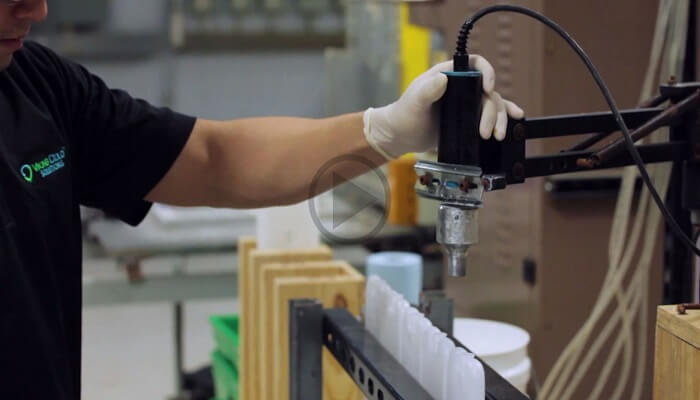
Viking Cold’s Thermal Energy Storage technology was being installed in a low-temp warehouse owned by Bashas’ Family of Stores, an Arizona-based, family-owned and operated grocery chain. The project was incentivized by the local utility, Salt River Project.
Local news crews captured the positive feedback from the client and the utility. Click the images to watch the videos.
It’s no secret that cold storage facilities are a huge investment for end users in the frozen food market. Ongoing operational cost, and energy costs in particular, are long-term considerations of any cold storage project. Cold storage architectural, engineering and construction know they must address these issues to secure project bids.
Energy demands in U.S. supermarkets are massive, with refrigeration and lighting accounting for over 50% of total energy use. Each year, the average American supermarket consumes roughly 50 kilowatt-hours (kWh) of electricity, and 50 cubic feet of natural gas per square foot.
Through hard work and constant innovation, Viking Cold Solutions earned a spot on the coveted Food Logistics’ 2017 Top Green Providers list. As one of only 100 companies to have been chosen, this placement offers Viking Cold the chance to broaden their exposure while continuing to provide energy-saving solutions across the global cold chain. The company has stated that not only are they honored by the selection, but by the opportunity to make a significant impact in the industry’s endeavor to embrace sustainable practices.
Did you know electricity is the second highest expense in the cold storage industry? Viking Cold’s energy efficient technology is the perfect solution for businesses looking to save on energy related costs while maintaining temperature stability for their products.
Viking Cold is a thermal energy storage company transforming the cold chain in the cold storage and supermarket industries. Though the refrigeration industry can be slow to change, Viking Cold has caused major disruption by creating solutions and technologies that make cost-efficient energy decisions while protecting the integrity of the products stored.
For businesses in the frozen food market, energy costs are a major expense. Reducing the electricity used in storage facilities directly impacts the bottom line, making it a top priority for owners and operators. Cold storage operators who make the move to an innovative thermal energy storage system will realize significant cost savings, enhanced product monitoring, and protection for low temperature cold storage.
Houston, Texas – June 20, 2017 (PRNewswire) – Food Logistics, the only publication exclusively dedicated to covering the movement of product through the global food supply chain, has named thermal energy management company Viking Cold Solutions to the Top Green Providers list for 2017. Viking Cold leverages thermal energy storage (TES) technology for cold chain systems in groceries, warehouse operations and food processing facilities with specific temperature needs, reducing thermal energy consumption as much as 39%. Viking Cold’s TES system shifts energy demand to night time off-peak hours and reduces on-peak refrigeration runtime during the day.
Food Logistics‘ annual Top Green Providers recognizes companies whose products, services, or exemplary leadership is enhancing sustainability within the food and beverage industry. Each year, the criteria for earning a spot on the list become more stringent for applicants, requiring evaluation of a company’s participation in recognized sustainability programs such as the EPA’s SmartWay, and can involve those facilities that are LEED-certified and have reduced GHG emissions. In this instance, deployment of high-impact demand reduction solutions to industrial refrigeration loads was considered.
“The future viability of the world’s food supply chain is dependent upon our ability to integrate sustainability from farm to fork,” says Lara L. Sowinski, editorial director. “Transportation and logistics comprise a significant part of that supply chain, and we commend those companies in our industry that embrace their role as environmental stewards, while raising the sustainability bar for their peers.” Against this backdrop Viking Cold Solutions CEO, James Bell, added, “As part of our commitment to cold chain sustainability and reducing environmental impact, we are honored to provide this groundbreaking efficiency technology. We greatly appreciate the recognition of our work by Food Logistics Magazine.” Bell further noted, “Our phase change material (PCM) technology is revolutionizing energy efficiency in the low temperature space with intelligent controls, sensors and monitoring. This enables operators to determine how and when they purchase and use energy in their freezers.”
About Viking Cold Solutions:
Viking Cold Solutions™ is a thermal energy management company that makes the world’s cold storage systems more efficient by using proprietary Phase Change Material (PCM) and intelligent controls. The company’s passive Thermal Energy Storage (TES) systems store energy, reduce demand, shift load, monitor customer facilities, and provide thermal back-up protection. The company’s patented TES systems have saved over 8,100 MWh of energy, reduced carbon footprint by over 4,400 metric tons, and prevented more than $13M of product loss. Learn more at vikingcold.com.
Houston, Texas – June 13, 2017 – Viking Cold Solutions today announced a collaboration between Salt River Project (SRP) and Bashas’ Family of Stores to install and evaluate the performance of Viking Cold Solutions’ environmentally friendly Thermal Energy Storage (TES) System at the Bashas’ distribution center in the Phoenix metro area. This low-impact, sustainable system is expected to offer significant energy savings, energy demand management, and heightened protection for frozen food products.
The TES system also reduces energy distribution and delivery challenges for SRP by shifting energy demand to night hours. The passive TES system stores energy at night for subsequent day use, enabling less refrigeration runtime and reduction of load during peak afternoon hours.
“We are very pleased to support this project with Bashas’ and Viking Cold Solutions and to evaluate a technology that shows potential as an energy management tool for us and our customers,” noted Nathan Morey, Manager of SRP Product Development. “SRP is excited to learn more about thermal storage technologies, which can provide energy savings for customers with industrial freezers like Bashas’ and provide long-term benefits to all customers by reducing peak demand during summer months.”
This project includes the installation of the Viking Cold Solutions Thermal Energy Storage (TES) system and 24/7 energy monitoring within the Bashas’ ice-cream freezer at their distribution center. “We continuously evaluate energy efficiency opportunities, as refrigeration is one of our highest operating expenses. We support technologies that provide greater temperature stability, helping us to continually provide low product prices to our customers. SRP is an innovative power utility, and we are excited about this partnership and glad we were able to come together to fund this project,” said Mike Basha, Vice President of Logistics at Bashas’.
SRP will also fund the third-party research analysis for the project, evaluating the TES system’s Phase Change Material (PCM) for its efficiency improvements and effectiveness at shifting energy load from on-peak to off-peak hours. SRP collaborated with Arizona State University’s School of Sustainable Engineering and the Built Environment, along with Nexant’s Utility Services Group, to measure the results of the project and extrapolate the potential impact of this technology on additional low temperature refrigeration loads in the Phoenix area. “Our students are excited to learn more about the potential energy savings and demand reduction impact of this innovative technology, as well as how it can be deployed in more facilities to support reductions in the Phoenix area’s peak load,” commented Kristen Parrish, ASU Assistant Professor.
“Cost effectively managing growing power grid demand and providing reliable and reasonable power prices to customers requires innovative solutions and collaboration from all parties – utilities, academia, industrial customers and technology providers. We anticipate that this project will provide a roadmap for deploying high-impact demand reduction solutions to refrigeration loads that were not previously accessible. As part of our commitment to cold-chain sustainability and reducing environmental impact, we are honored to be the enabling technology,” James Bell, CEO of Viking Cold Solutions stated.
About Viking Cold Solutions:
Viking Cold Solutions™ is a thermal energy management company that makes the world’s cold storage systems more efficient by using proprietary Phase Change Material (PCM) and intelligent controls. The company’s passive Thermal Energy Storage (TES) systems store energy, reduce demand, shift load, monitor customer facilities, and provide thermal back-up protection. The company’s patented TES systems have saved over 8,100 MWh of energy, reduced carbon footprint by over 4,400 metric tons, and prevented more than $13M of product loss. Learn more at vikingcold.com.
An innovative thermal energy storage system provides significant cost savings, enhanced product monitoring, and protection for low temperature cold storage operators.
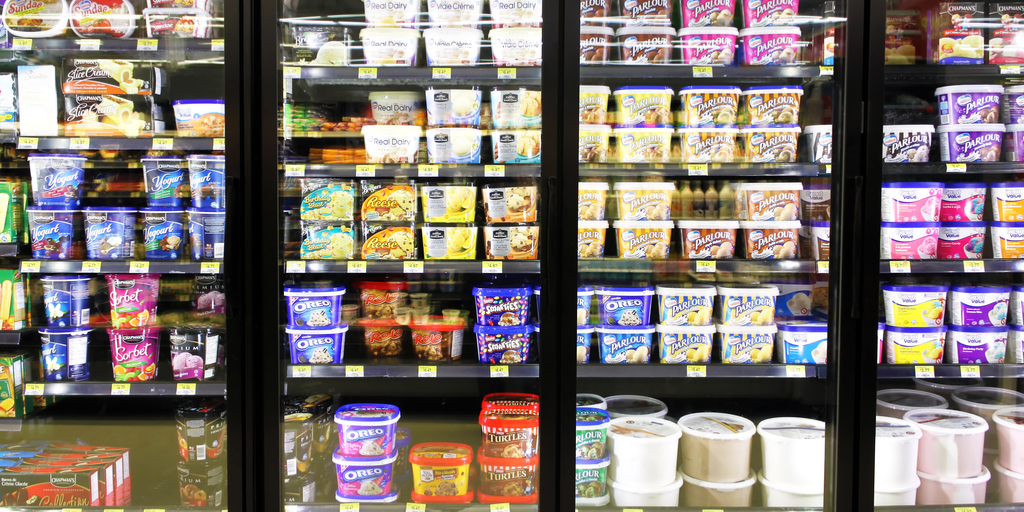
Frozen Gourmet, a dedicated Nestlé facility and a leading ice cream distribution company on the West Coast, has installed a Thermal Energy Storage (TES) system from Viking Cold Solutions™ and has reduced energy consumption over 27%.
Viking Cold’s patented Thermal Energy Storage system was installed at the end of 2016 and has reduced energy consumption by over 45,000 kWh since the beginning of 2017. The TES system also reduced peak demand charges by shifting electrical load to night time. The passive TES system stores energy at night for subsequent day use, allowing refrigeration to run less frequently and during off-peak rate hours. The result is significant cost and electricity savings, especially in California where expensive daytime demand charges are common.
“We searched for a year to find the right technology to reduce our energy costs and decided to purchase the Viking Cold TES system after seeing the capability and flexibility the system provides,” said Bill Kohn, CEO of Frozen Gourmet. “The reduction in energy consumption has improved our bottom line and the real-time monitoring has been invaluable in helping us recognize and address equipment issues before expensive problems arise.”
The Frozen Gourmet team has not only been able to reduce energy consumption but also maintain more stable temperatures inside their freezer with the integrated Viking Cold Energy Management System that monitors and optimizes the existing refrigeration equipment. Daily reports and alarm notifications alert the team in the event of temperature abnormalities, mechanical equipment failure, or power outages.
“Reducing energy consumption by 27% in a low temperature space is now possible with our passive Thermal Energy Storage system,” said James Bell, CEO of Viking Cold Solutions. “This technology is revolutionizing energy efficiency in the freezer space while helping to better protect the food with intelligent controls and sensors. There’s simply no other option available that combines efficiency and load management.”
In California, there is a $200 Million market opportunity for Viking Cold’s TES technology, which includes 570 million square feet of cold storage and approximately 8,210 grocery stores.
To learn more, watch Viking Cold’s 90 second video about how the TES works.
About Viking Cold Solutions:
Viking Cold Solutions™ is a thermal energy management company which makes the world’s cold storage systems more efficient using proprietary Phase Change Material (PCM) and intelligent controls. The passive Thermal Energy Storage (TES) solution stores energy, reduces demand, shifts load, monitors the facility, and provides thermal back-up protection. The company’s patented TES systems have saved over 8,100 MWh of energy, reduced carbon footprint by over 4,400 metric tons, and prevented more than $13M of product loss. Learn more at vikingcold.com.
This website uses cookies to improve your experience and collect anonymous data about the behaviour of the website. To read more about our privacy policies, click here.
Viking Cold uses several industry-standard tools to measure traffic on the website, such as Google Analytics. If you turn these off, your activity, such as the number of pages that you visit, will not be logged.
These cookies provide functionality for the website. You can turn them off, but some things may stop working. For example, a cookie is required to remember your cookie settings.

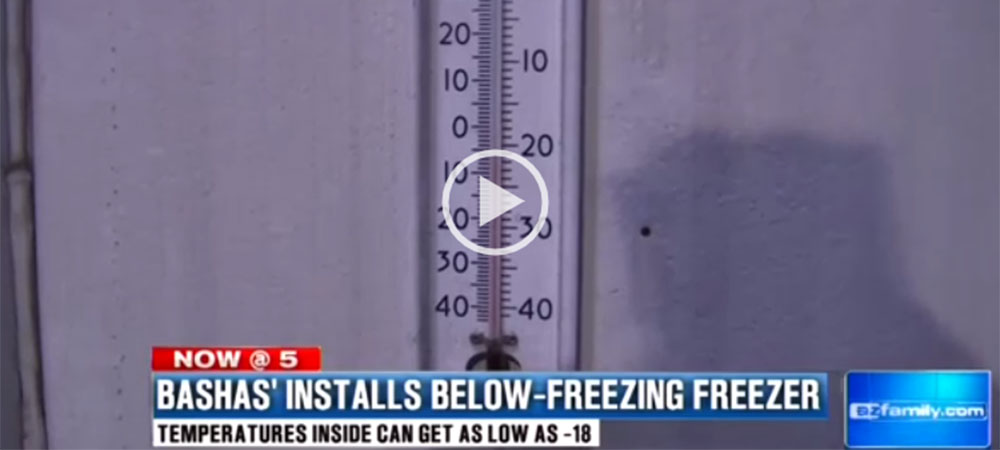
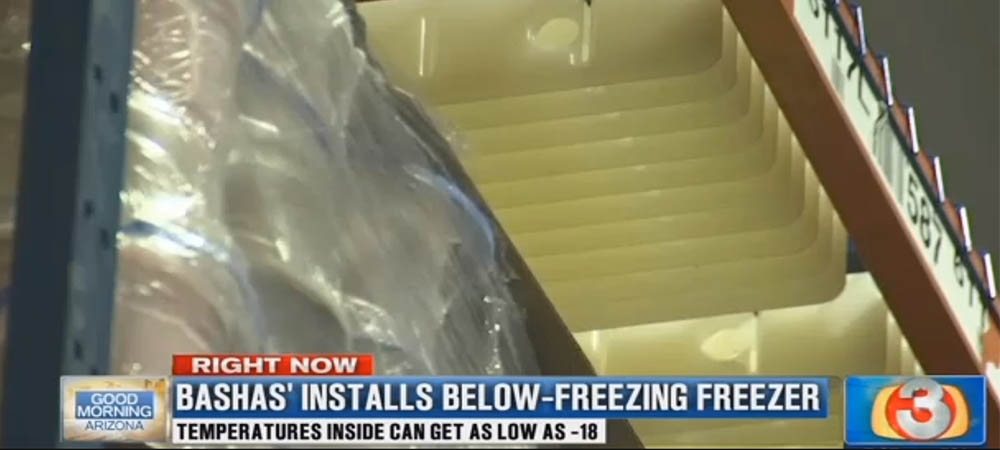
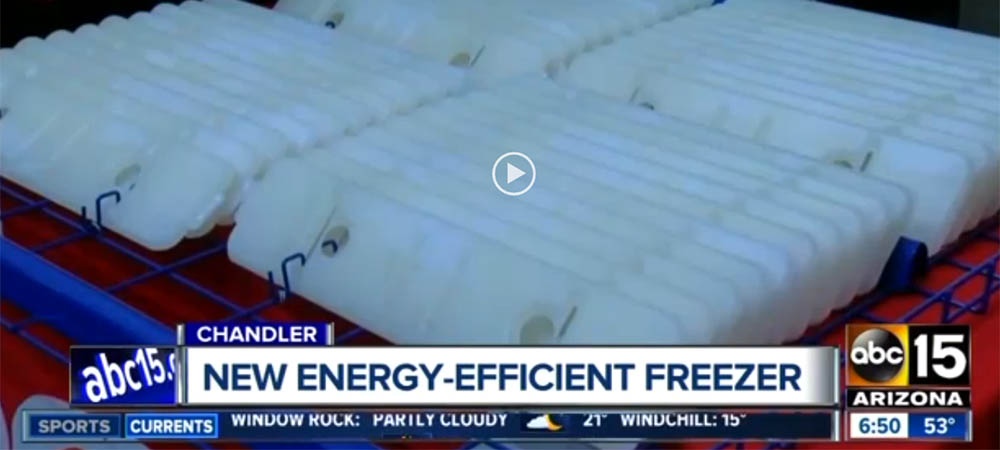 Viking Cold’s Thermal Energy Storage technology was being installed in a low-temp warehouse owned by Bashas’ Family of Stores, an Arizona-based, family-owned and operated grocery chain. The project was incentivized by the local utility, Salt River Project.
 Through hard work and constant innovation, Viking Cold Solutions earned a spot on the coveted Food Logistics’ 2017 Top Green Providers list. As one of only 100 companies to have been chosen, this placement offers Viking Cold the chance to broaden their exposure while continuing to provide energy-saving solutions across the global cold chain. The company has stated that not only are they honored by the selection, but by the opportunity to make a significant impact in the industry’s endeavor to embrace sustainable practices.
 Did you know electricity is the second highest expense in the cold storage industry? Viking Cold’s energy efficient technology is the perfect solution for businesses looking to save on energy related costs while maintaining temperature stability for their products.
 Viking Cold is a thermal energy storage company transforming the cold chain in the cold storage and supermarket industries. Though the refrigeration industry can be slow to change, Viking Cold has caused major disruption by creating solutions and technologies that make cost-efficient energy decisions while protecting the integrity of the products stored.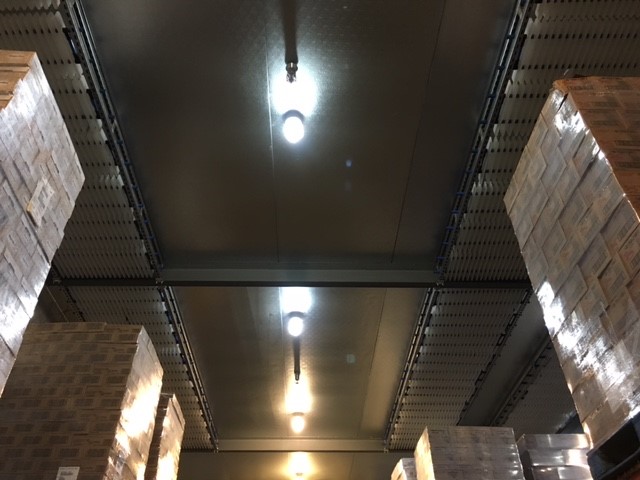
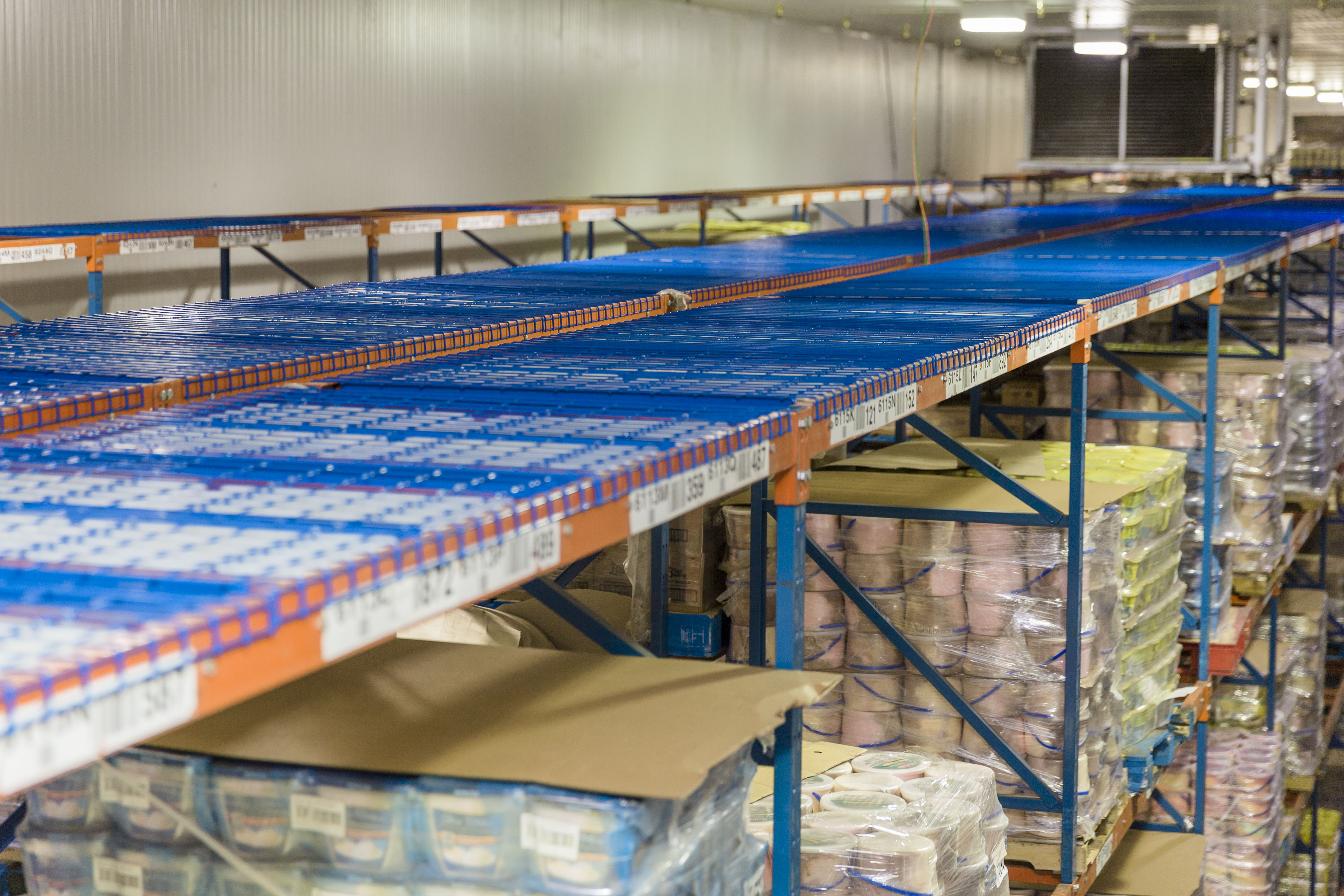 Houston, Texas – June 13, 2017 – Viking Cold Solutions today announced a collaboration between Salt River Project (SRP) and Bashas’ Family of Stores to install and evaluate the performance of Viking Cold Solutions’ environmentally friendly Thermal Energy Storage (TES) System at the Bashas’ distribution center in the Phoenix metro area. This low-impact, sustainable system is expected to offer significant energy savings, energy demand management, and heightened protection for frozen food products.
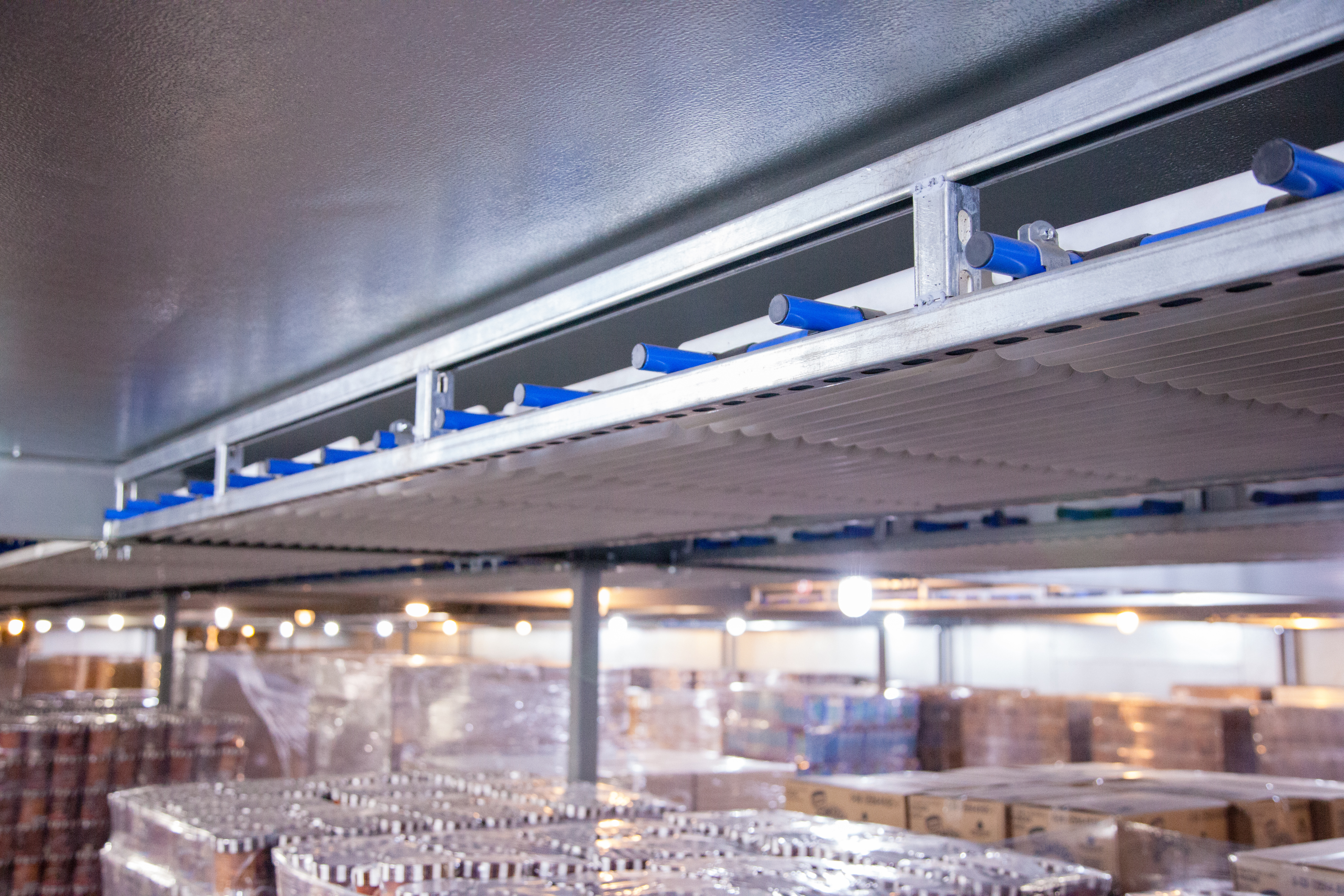 An innovative thermal energy storage system provides significant cost savings, enhanced product monitoring, and protection for low temperature cold storage operators.